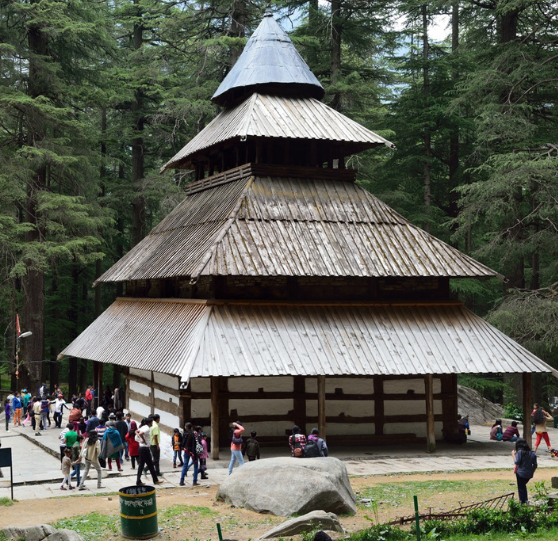
Surrounded by the tall cedars of Dhungiri Van Vihar, Hidimba Devi Temple is one of Manali's most distinctive landmarks. Also known as Dhungari Temple, the ancient cave temple is dedicated to Hidimbi Devi, the wife of Bhima from the Mahabharata. Built in 1553 by Maharaja Bahadur Singh, the temple stands over a large rock that is revered as the embodiment of the deity. Its unusual wooden architecture, forest setting and connection to the Mahabharata give it a character unlike many other temples in the region. At 24 metres high, the temple is an important part of Manali's cultural and religious landscape, as well as one of the town's most recognisable sights.
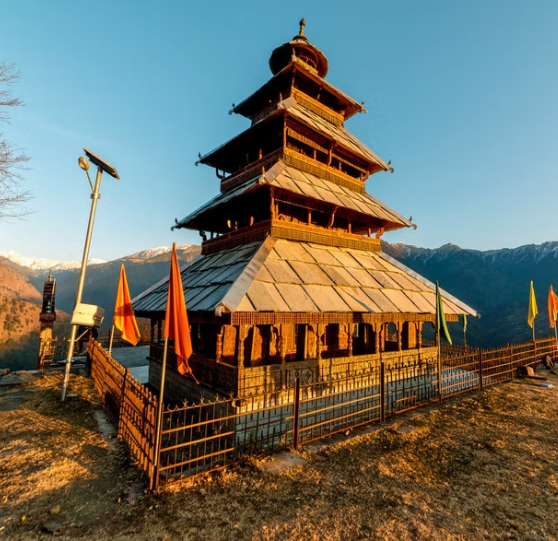
Tucked away in Old Manali, Manu Temple is dedicated to the ancient sage Manu. The temple can be reached through the road passing by the Manali Community Center and offers a chance to experience a quieter, more spiritual side of the town. Manu holds an important place in Indian tradition, and the temple is regarded as a significant pilgrimage site associated with the sage. Its location in Old Manali also makes a visit an opportunity to explore the character of this much-loved part of the town.
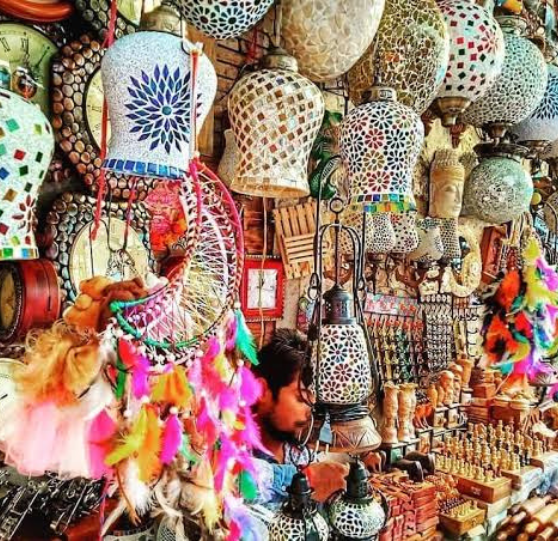
For a different side of Manali, head to Mall Road, where the town's energy comes alive through its shops, street activity and restaurants. The market is known for its range of local and traditional finds, from warm woollens and shawls to Tibetan items, handicrafts, books, jewellery and wooden pieces. You can also come across regional favourites such as traditional pickles, jams and other locally inspired products. Whether you are looking for something to take home or simply want to spend an afternoon walking through the shops, Mall Road gives you a feel for the everyday, lively side of Manali. And when you've had enough of shopping, there are plenty of restaurants and cafés where you can stop for a meal or something to drink.
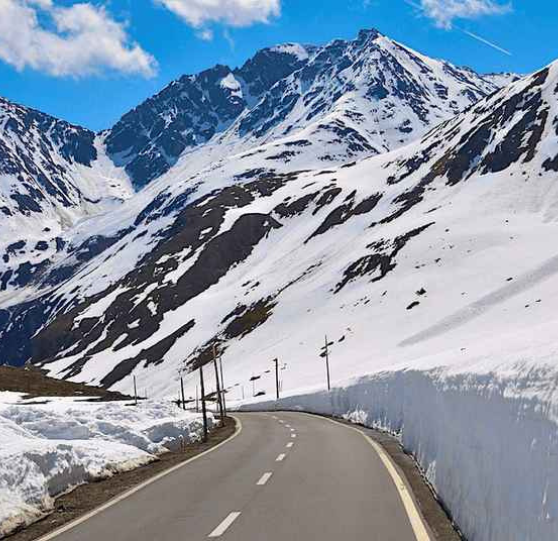
About 51 kilometres from Manali, Rohtang Pass takes you into a dramatically different mountain landscape. Rising to an elevation of approximately 3,980 metres, the pass lies on the eastern end of the Pir Panjal range and connects the Kullu Valley with the Lahaul and Spiti valleys. The journey towards Rohtang brings a striking change in scenery as the green valleys give way to the rugged terrain of the higher Himalayas. The pass also forms a natural divide between the landscapes and cultural traditions of the Kullu Valley to the south and Lahaul and Spiti to the north. For visitors to Manali, Rohtang is more than a mountain destination—it is a chance to experience the scale and character of the Himalayas beyond the town.
Just about 13 kilometres from Manali, Solang Valley opens into a wide mountain landscape surrounded by deodar forests and high peaks. The valley changes character with the seasons—green and open in warmer months, and covered in snow during winter. Adventure is a big part of the Solang experience, with activities such as paragliding, zorbing, skiing, ropeway rides and other outdoor pursuits available depending on the season. Even if adventure isn't on your list, the valley is worth visiting simply for its mountain scenery and open spaces.
At 9.02 kilometres long, the Atal Tunnel is one of the defining engineering landmarks on the route beyond Manali. Built beneath the Rohtang Pass, this all-weather road tunnel connects Manali with the Lahaul-Spiti region and makes the journey into the higher Himalayas more accessible. As you emerge from the tunnel, the landscape changes noticeably. The lush valleys around Manali give way to the more rugged terrain of Lahaul, with high mountains, open valleys and a distinctly different Himalayan character. The tunnel also brings destinations such as Sissu within easier reach, making the journey itself an important part of exploring the region.
Beyond the Atal Tunnel, Sissu offers a striking introduction to the landscapes of Lahaul. The village sits on a broad stretch overlooking the Chandra River, with green terraces, willow and poplar trees and mountain slopes creating a very different setting from Manali. Sissu Falls, cascading down the mountainside near the village, adds another memorable stop along the route. The village is also associated with the local traditions of Lahaul, giving visitors a chance to experience a quieter side of the Himalayas away from the busier parts of Manali.
 India
India Africa